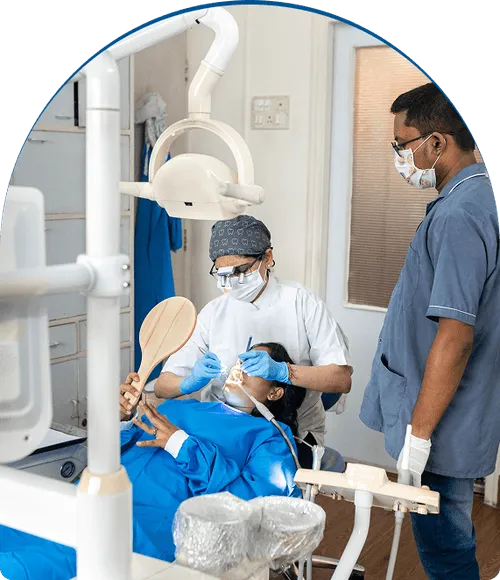

Missing teeth can affect more than your smile. They can impact your ability to eat, speak, and maintain good oral health. Full mouth dental implants are one of the most advanced solutions for restoring a complete smile. They provide long lasting stability, improved comfort, and a natural appearance for people with multiple missing teeth.
Patients searching for full mouth dental implants in Kent, WA often want a permanent alternative to traditional dentures. Understanding the procedure, costs, recovery process, and long term benefits can help you make a confident decision about your dental health.
If damaged teeth are causing pain before implant treatment, learn more about root canal treatment Kent WA.
What Are Full Mouth Dental Implants?
Full mouth dental implants are a complete tooth replacement solution designed for people who have lost most or all of their teeth. Instead of relying on removable dentures, implants are surgically placed into the jawbone to support a full set of replacement teeth.
These implants act like artificial tooth roots and help create a stable foundation for fixed restorations.
How Full Mouth Dental Implants Work
The process involves placing titanium implant posts into the jawbone. After healing, custom restorations are attached to the implants to create a secure and natural looking smile.
Common implant options include:
- All on 4 implants
- Full arch dental implants
- Implant supported dentures
- Fixed hybrid dentures
- Multiple implant bridges
The number of implants used depends on the condition of the jawbone and the treatment plan recommended by the dentist.
Who Is a Good Candidate for Full Mouth Dental Implants?
Many adults with missing or severely damaged teeth may qualify for implant treatment. A dental evaluation helps determine if implants are the right option.
Good candidates often include people who:
- Have multiple missing teeth
- Want a permanent tooth replacement solution
- Have healthy gums
- Have adequate jawbone density
- Do not want removable dentures
Some patients may need additional treatments before implants, such as bone grafting or gum therapy.
Types of Full Mouth Dental Implant Options
There are different implant solutions available based on oral health needs and smile goals.
All on 4 Dental Implants
All on 4 implants use four strategically placed implants to support a full arch of teeth. This method is popular because it often reduces the need for extensive surgery.
Benefits include:
- Faster treatment process
- Strong bite support
- Natural appearance
- Reduced bone loss
- Improved comfort
Implant Supported Dentures
Implant supported dentures combine the affordability of dentures with the stability of dental implants. Unlike traditional dentures, they are securely attached to implants.
Patients often choose this option because it:
- Prevents slipping
- Improves chewing ability
- Offers greater confidence
- Enhances speech clarity
- Provides better stability
In some cases, patients restoring damaged teeth before implants may also need dental crowns Kent WA for additional protection and support.
Benefits of Full Mouth Dental Implants
Dental implants provide several long term benefits compared to removable tooth replacement options.
Improved Appearance and Smile Restoration
Implants are designed to look and feel like natural teeth. They help restore facial structure and create a more youthful appearance.
A complete smile restoration can help patients feel more confident during daily interactions.
Better Chewing and Speaking Ability
Traditional dentures may shift while eating or speaking. Full mouth dental implants provide strong support that allows patients to enjoy a wider variety of foods with greater comfort.
Benefits include:
- Improved speech clarity
- Stronger bite force
- Better chewing function
- Reduced discomfort
- Increased stability
Preserving Jawbone Health
When teeth are missing, the jawbone can begin to shrink over time. Dental implants stimulate the bone and help maintain its structure.
This support helps prevent:
- Bone deterioration
- Facial sagging
- Bite changes
- Jaw weakness
- Additional tooth loss
The Full Mouth Dental Implant Procedure Explained
Understanding the implant process can help patients feel more prepared for treatment.
Initial Consultation and Oral Evaluation
The process begins with a detailed dental examination. Digital imaging and scans are often used to evaluate the jawbone and oral health condition.
The dentist may discuss:
- Medical history
- Tooth replacement goals
- Implant options
- Treatment timeline
- Estimated costs
Tooth Extraction and Implant Placement
If damaged teeth remain, they may need to be removed before implant placement. Titanium implant posts are then surgically inserted into the jawbone.
Healing time is necessary to allow the implants to bond with the bone through a process called osseointegration.
Final Restoration Placement
Once healing is complete, custom replacement teeth are attached to the implants. These restorations are designed to match the appearance and function of natural teeth.
Some patients also explore cosmetic treatments such as dermal fillers Kent WA to enhance overall facial appearance after smile restoration.
How Much Do Full Mouth Dental Implants Cost in Kent, WA?
The cost of full mouth dental implants can vary depending on several factors. Every treatment plan is customized based on the patient’s oral health needs.
Factors That Affect Dental Implants Cost
Several factors may influence the overall price of treatment, including:
- Number of implants needed
- Type of restoration used
- Bone grafting procedures
- Sedation requirements
- Diagnostic imaging
- Follow up care
While implants may have a higher initial cost compared to dentures, they are considered a long term investment in oral health.
Insurance and Financing Options
Some dental insurance plans may partially cover portions of implant treatment. Many dental offices also offer financing plans to help patients manage costs more comfortably.
Patients are encouraged to discuss available payment options during their consultation.
Recovery After Full Mouth Dental Implants
Recovery is an important part of successful implant treatment. Following post treatment instructions can help improve healing and comfort.
What to Expect During Recovery
Mild swelling and soreness are common after implant surgery. Most patients gradually return to normal activities within a few days.
During healing, patients may experience:
- Temporary gum tenderness
- Mild bleeding
- Minor swelling
- Sensitivity while chewing
- Temporary dietary restrictions
Tips for Faster Healing
A healthy recovery process often includes:
- Following oral hygiene instructions
- Avoiding smoking
- Eating soft foods
- Taking prescribed medications
- Attending follow up visits
Healing time varies depending on the complexity of the procedure and individual health factors.
Risks and Considerations Before Getting Dental Implants
Dental implants have a high success rate, but patients should still understand potential risks and treatment considerations.
Possible Side Effects and Complications
Although uncommon, possible complications may include:
- Infection
- Implant failure
- Nerve irritation
- Sinus issues
- Delayed healing
Choosing an experienced implant dentist can help reduce these risks.
Importance of Oral Health Before Treatment
Healthy gums and proper oral hygiene play an important role in implant success. Patients with gum disease may require treatment before implant placement.
Maintaining regular dental visits after treatment is also essential for long term implant health.
How to Care for Full Mouth Dental Implants
Proper care helps implants remain healthy and functional for many years.
Daily Oral Hygiene Tips
Patients should care for implants just like natural teeth.
Important oral hygiene habits include:
- Brushing twice daily
- Flossing regularly
- Using non abrasive toothpaste
- Cleaning around implants carefully
- Rinsing with antibacterial mouthwash
Routine Dental Visits and Maintenance
Regular professional cleanings and examinations help detect issues early and maintain the health of implants and surrounding gums.
Most patients can expect implants to last for many years with consistent care and healthy habits.
Why Patients Choose Advance Family Dentistry for Dental Implants in Kent, WA
Choosing the right implant dentist is an important part of the treatment journey. Advance Family Dentistry focuses on personalized care, advanced technology, and patient comfort.
Patients often appreciate:
- Comprehensive implant evaluations
- Modern dental technology
- Customized treatment plans
- Comfortable office environment
- Experienced dental care team
The goal is to help patients restore both function and confidence with long lasting tooth replacement solutions.
Conclusion
Full mouth dental implants offer a reliable and long term solution for people with extensive tooth loss. They improve appearance, restore oral function, and help preserve jawbone health. Modern implant techniques provide greater comfort and stability compared to traditional dentures.
Understanding the treatment process, recovery expectations, and long term benefits can help patients make informed decisions about their oral health. With proper care and professional guidance, dental implants can provide lasting smile restoration for many years.
To learn more about your treatment options or schedule a consultation, contact Implant West.
FAQs
1. How long do full mouth dental implants last?
With proper care and regular dental visits, full mouth dental implants can last for many years and often decades.
2. Are full mouth dental implants painful?
Most patients experience mild discomfort after surgery, but modern techniques and sedation options help make the procedure more comfortable.
3. How long is the recovery process for dental implants?
Initial healing may take a few weeks, while full implant integration with the jawbone can take several months.
4. Can smokers get full mouth dental implants?
Smoking may affect healing and implant success rates. Dentists often recommend reducing or stopping smoking before treatment.
5. What foods should be avoided after implant surgery?
Patients should avoid hard, sticky, or crunchy foods during the healing period and focus on soft foods recommended by the dentist.