
Understanding the Importance of Moisture Control in Cold Storage
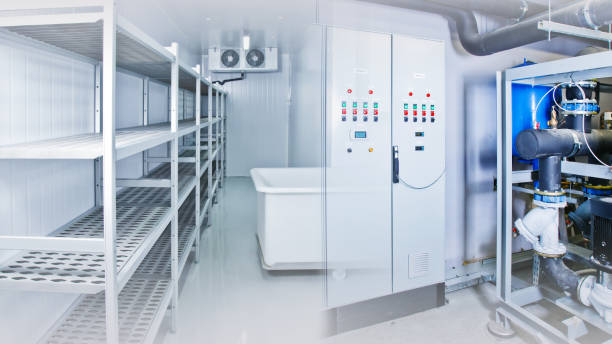
Cold storage environments are designed to preserve temperature sensitive goods by maintaining a controlled atmosphere. However, temperature alone is not enough to ensure optimal storage conditions. Moisture plays a critical role in determining the effectiveness of any cold storage system. Excess humidity can lead to condensation, frost formation, and structural inefficiencies, all of which compromise performance.
Humidity control becomes essential because even slight variations can disrupt the balance inside a cold room. When warm air enters a refrigerated space, it carries moisture that condenses on cold surfaces. This leads to ice buildup on evaporator coils and walls, reducing cooling efficiency and increasing energy consumption.
To address these challenges, advanced solutions such as cold room dehumidifiers are used to regulate moisture levels. These systems are specifically designed to operate efficiently in low temperature environments, ensuring consistent humidity control without affecting cooling performance.
How Excess Humidity Impacts Cold Storage Operations
Ice Formation and Equipment Inefficiency
One of the most significant issues caused by high humidity is ice formation. When moisture condenses and freezes, it creates layers of frost on cooling coils and surfaces. This reduces heat transfer efficiency, forcing refrigeration systems to work harder to maintain the desired temperature.
Over time, this leads to increased energy consumption and higher operational costs. Frequent defrost cycles may also be required, interrupting the storage environment and reducing system reliability.
Structural and Insulation Concerns
Moisture accumulation does not only affect equipment. It can also compromise the structural integrity of the storage facility. Insulation materials may absorb moisture, reducing their effectiveness and leading to temperature fluctuations.
Walls, ceilings, and floors exposed to continuous condensation may develop damage over time. This weakens the overall infrastructure and increases maintenance requirements.
Product Quality Risks
Although the primary goal of cold storage is preservation, uncontrolled humidity can negatively affect stored goods. Excess moisture can cause surface degradation, spoilage, or contamination, depending on the type of material stored.
Maintaining balanced humidity ensures that storage conditions remain stable, protecting the quality and longevity of stored items.
The Science Behind Dehumidification in Cold Environments
Moisture Removal Mechanisms
Dehumidification in cold storage environments requires specialized technology. Traditional systems may not function effectively at low temperatures. Instead, desiccant based systems are commonly used because they can absorb moisture even in freezing conditions.
These systems use hygroscopic materials that attract and retain water vapor from the air. Once the moisture is captured, the air is circulated back into the storage space with reduced humidity levels.
Continuous Humidity Regulation
Effective dehumidification is not a one time process. It requires continuous monitoring and adjustment to maintain optimal conditions. Advanced systems are designed to operate automatically, responding to changes in humidity levels in real time.
This ensures that the environment remains stable regardless of external factors such as door openings or temperature variations.
Key Benefits of Using Dehumidifiers in Cold Storage
Improved Energy Efficiency
By reducing moisture levels, dehumidifiers help prevent ice buildup on cooling systems. This allows refrigeration units to operate more efficiently, reducing energy consumption and lowering operational costs.
Consistent humidity control also minimizes the need for frequent defrost cycles, further enhancing efficiency.
Enhanced Equipment Lifespan
When systems are not overburdened by excess moisture and ice formation, they experience less wear and tear. This extends the lifespan of refrigeration equipment and reduces the frequency of repairs or replacements.
Better Environmental Stability
Dehumidifiers contribute to a balanced environment where both temperature and humidity are controlled. This stability is essential for maintaining consistent storage conditions over extended periods.
Reduced Maintenance Requirements
Moisture related issues often lead to increased maintenance needs. By controlling humidity, dehumidifiers reduce the risk of corrosion, mold growth, and structural damage, resulting in lower maintenance efforts.
Types of Dehumidification Systems Used in Cold Storage
Desiccant Dehumidifiers
Desiccant systems are widely used in cold storage applications due to their ability to function effectively at low temperatures. They rely on moisture absorbing materials to remove humidity from the air.
These systems are particularly suitable for environments where traditional refrigeration based dehumidifiers are less effective.
Refrigeration Based Dehumidifiers
Although commonly used in other settings, refrigeration based systems have limitations in cold storage environments. Their efficiency decreases significantly at lower temperatures, making them less ideal for such applications.
Hybrid Systems
In some cases, hybrid systems combine different technologies to achieve optimal results. These systems are designed to provide flexibility and adaptability in varying environmental conditions.
For a deeper understanding of advanced solutions, exploring technologies like cold storage dehumidifier systems can provide valuable insights into modern moisture control strategies.
Factors to Consider When Choosing a Dehumidifier
Temperature Range
The operating temperature of the storage facility plays a crucial role in selecting the right dehumidifier. Systems must be capable of functioning efficiently within the required temperature range.
Moisture Load
Understanding the amount of moisture present in the environment helps determine the capacity of the dehumidifier needed. This includes considering factors such as air infiltration and internal processes.
Energy Consumption
Energy efficiency is a key consideration for any industrial system. Choosing a dehumidifier that balances performance with energy usage ensures long term cost savings.
Installation and Maintenance
Ease of installation and maintenance should also be evaluated. Systems that are simple to operate and maintain contribute to smoother operations and reduced downtime.
Integration of Dehumidifiers with Cold Storage Systems
Seamless System Compatibility
Modern dehumidifiers are designed to integrate seamlessly with existing cold storage infrastructure. This allows for efficient operation without requiring significant modifications.
Automation and Control
Advanced systems often include automated controls that monitor humidity levels and adjust performance accordingly. This ensures consistent operation and minimizes manual intervention.
Scalability
As storage needs grow, dehumidification systems should be able to scale accordingly. Flexible designs allow for expansion without compromising performance.
Future Trends in Cold Storage Dehumidification
Energy Efficient Innovations
Ongoing advancements in technology are focused on improving energy efficiency. New materials and system designs are being developed to reduce power consumption while maintaining high performance.
Smart Monitoring Systems
The integration of smart technologies enables real time monitoring and data analysis. This allows operators to optimize performance and identify potential issues before they escalate.
Sustainable Solutions
Sustainability is becoming increasingly important in industrial operations. Dehumidification systems are being designed with eco friendly features to reduce environmental impact.
Conclusion
Effective moisture control is a fundamental aspect of cold storage efficiency. Without proper humidity management, even the most advanced refrigeration systems can face significant challenges. Dehumidifiers play a crucial role in maintaining a stable environment, preventing ice formation, and enhancing overall system performance.
By investing in the right dehumidification technology, facilities can achieve better energy efficiency, reduced maintenance costs, and improved operational reliability. Solutions offered by Bry-Air represent a comprehensive approach to addressing these challenges, ensuring that cold storage environments remain efficient and dependable over time.