
Technology is reshaping traditional industries in profound ways. The integration of AI, IoT, and automation is streamlining operations and enhancing decision-making processes. Companies are experiencing reduced labor costs and improved efficiency through real-time data collection. However, this transformation presents unique challenges, particularly in balancing innovation with established practices. As industries evolve, the dynamics of the workforce are also changing. What implications does this have for the future of work and organizational culture?
The Role of AI and Automation in Traditional Industries
As industries grapple with the challenges of modern markets, the integration of AI and automation has emerged as a pivotal force reshaping traditional practices.
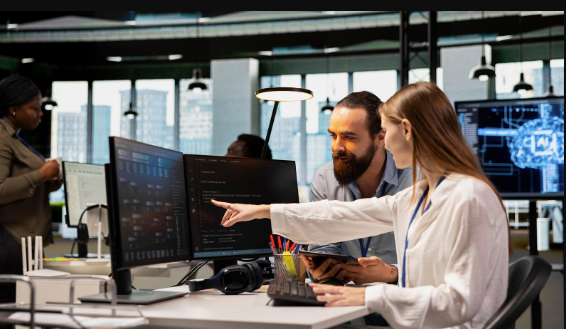
AI applications streamline processes, enhancing decision-making and productivity.
Meanwhile, automation benefits such as reduced labor costs and increased efficiency empower businesses to adapt swiftly.
This transformation not only fosters innovation but also promotes a culture of freedom and adaptability within the workforce.
How Is IoT Enhancing Operational Efficiency?
The Internet of Things (IoT) is rapidly emerging as a transformative force in the quest for operational efficiency across various sectors.
By leveraging smart sensors, organizations can collect real-time data, enabling precise monitoring of processes.
Coupled with advanced data analytics, businesses can identify inefficiencies, optimize resource allocation, and enhance decision-making, ultimately driving productivity and reducing operational costs in a dynamic marketplace.
The Impact of Digital Transformation on Workforce Dynamics
Digital transformation profoundly reshapes workforce dynamics, influencing how employees interact, collaborate, and perform their roles.
Remote collaboration tools facilitate seamless communication, enabling teams to work from diverse locations. This shift drives a skills evolution, as employees adapt to new technologies and methods.
Consequently, organizations cultivate a culture of flexibility and innovation, empowering individuals to thrive in an increasingly digital landscape.
See also: How Technology Is Transforming Tourism
Overcoming Challenges: Balancing Innovation and Tradition
While innovation drives progress, organizations often grapple with the need to preserve established traditions that define their identity and operational stability.
Balancing innovation strategies with tradition preservation is crucial for sustainable growth. Companies must navigate this tension by integrating modern technologies while respecting their historical roots, fostering an environment where both innovation and tradition coexist.
Ultimately, this approach empowers a culture of freedom and adaptability.
Conclusion
In conclusion, the infusion of technology into traditional industries is nothing short of a seismic shift, reshaping the very fabric of business operations. With AI and automation streamlining processes, and IoT enhancing efficiency, organizations are not just adapting but thriving in a digital age. As they navigate the complexities of digital transformation, a harmonious balance between innovation and tradition emerges, ensuring sustainable growth. This relentless evolution empowers the workforce, paving the way for a future where adaptability reigns supreme.